coffeeandcoldbrew
Smooth. Sweet. Cold.

Coffee and Cold Brew,
done right.

The no-nonsense guide to cold brew coffee: exact ratios, steep times, caffeine numbers and the beans that actually taste good over ice.

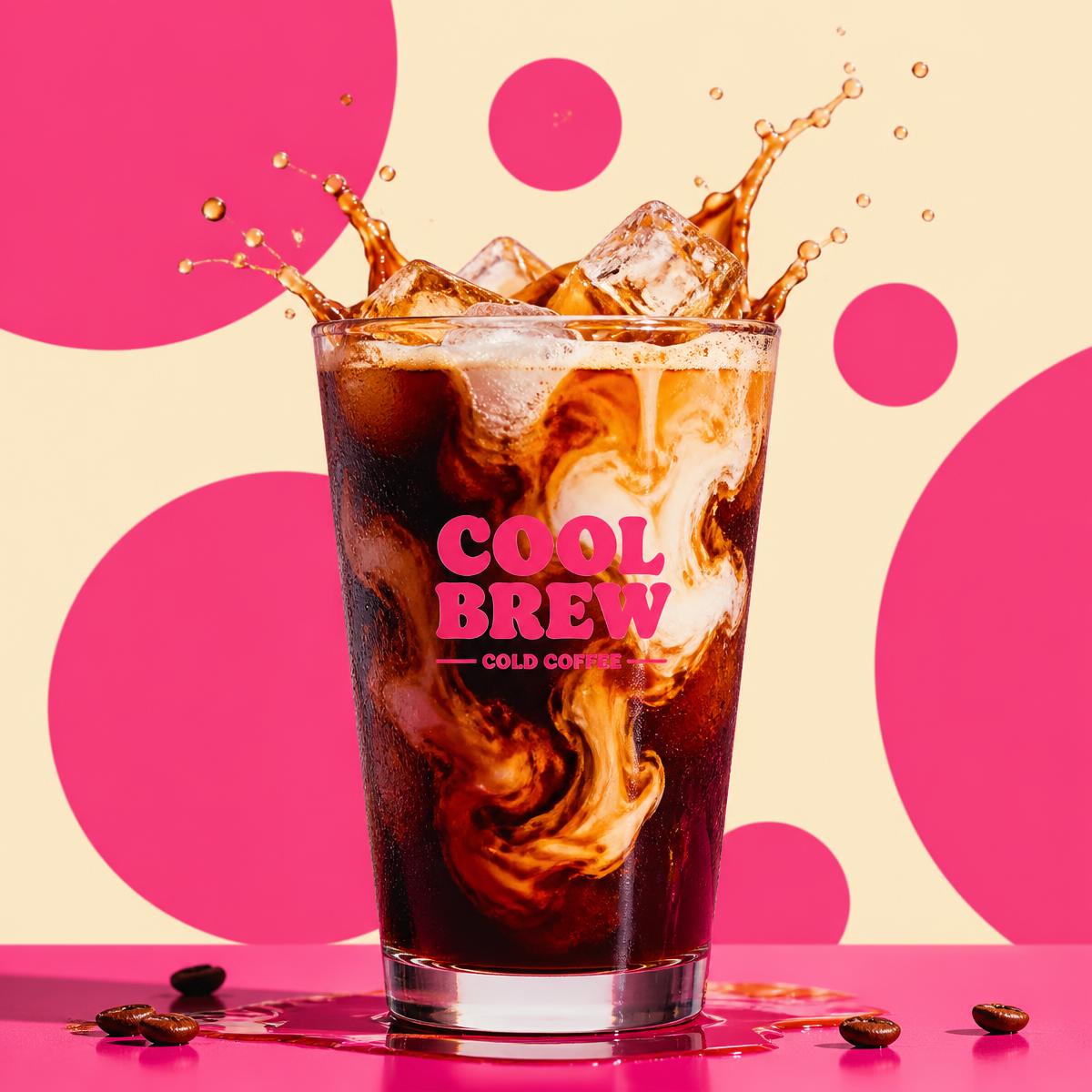
Glass of iced cold brew coffee with a swirl of cream on a pink and cream background
18 hours of cold steep67% less acidity200 mg caffeine per cup14 days in the fridge

How to make cold brew coffee at home

Four steps, one jar, zero equipment you don't already own. This makes roughly one litre of concentrate — about eight drinks once diluted.

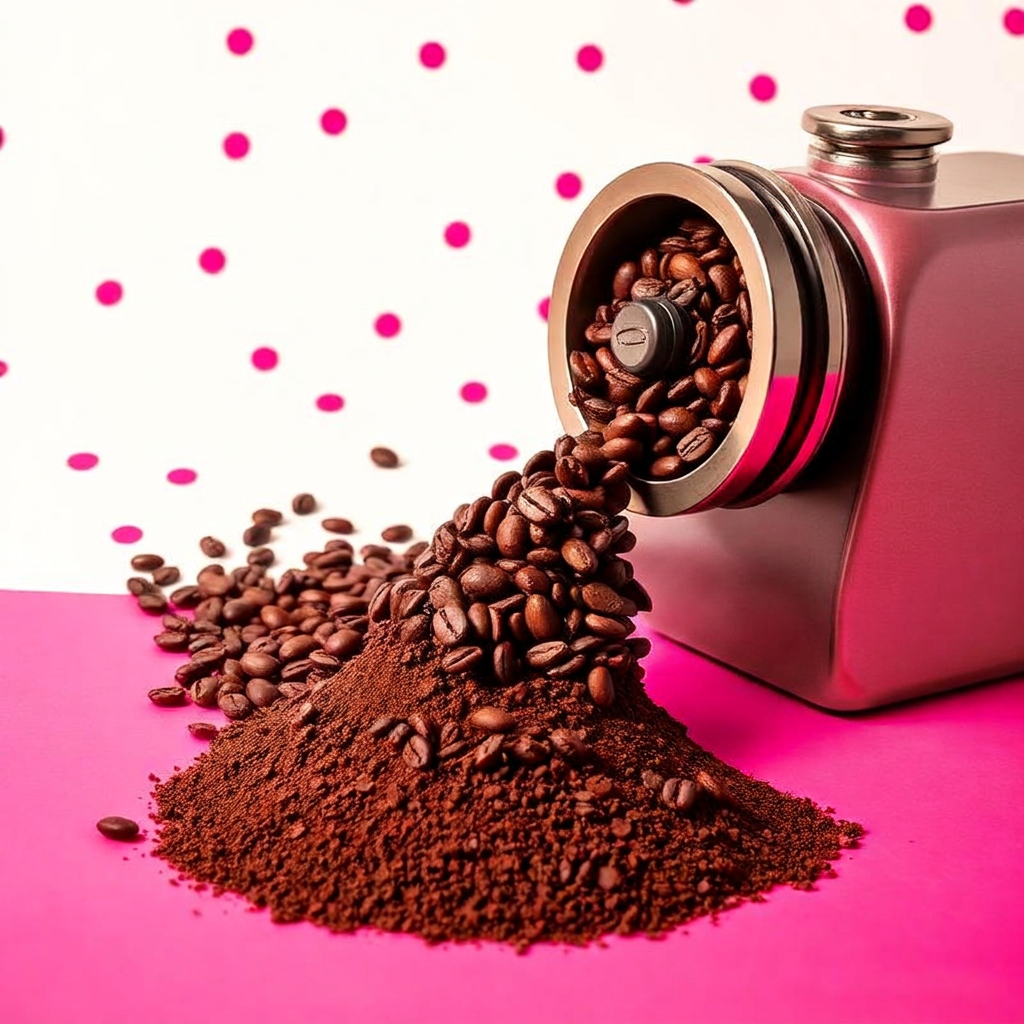
  1. Coffee beans poured into a grinder producing a pile of coarse chunky grounds1

    Grind coarse

    100 g of medium-roast beans on a coarse setting. Even, chunky grounds keep the long steep clean instead of muddy.

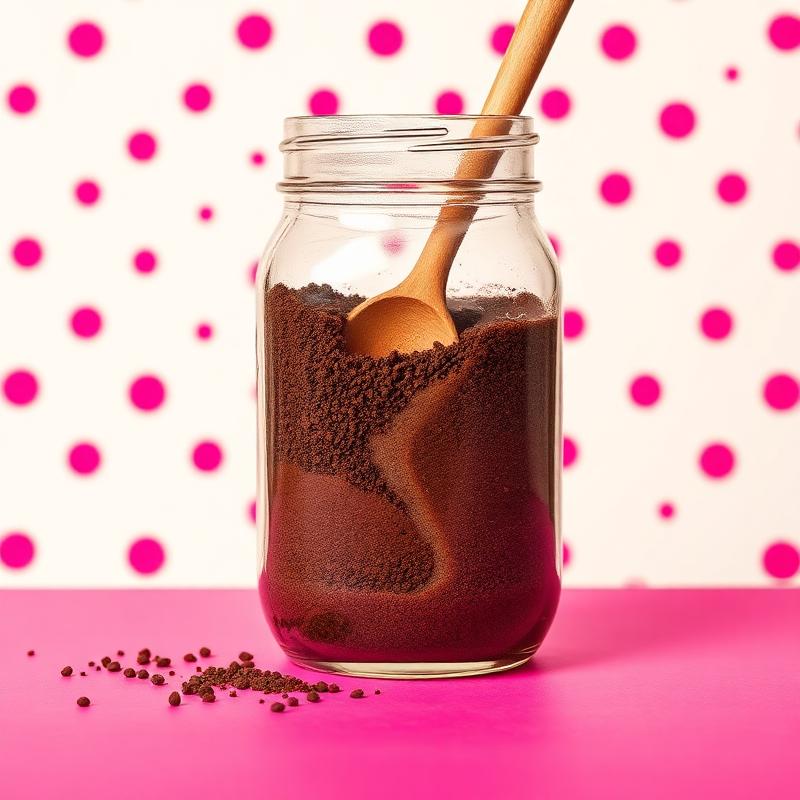
  2. Coarse coffee grounds and water stirred together in a glass mason jar2

    Combine and stir

    Add 500 g of filtered water for concentrate. Stir until every ground is wet — dry pockets mean weak, uneven extraction.

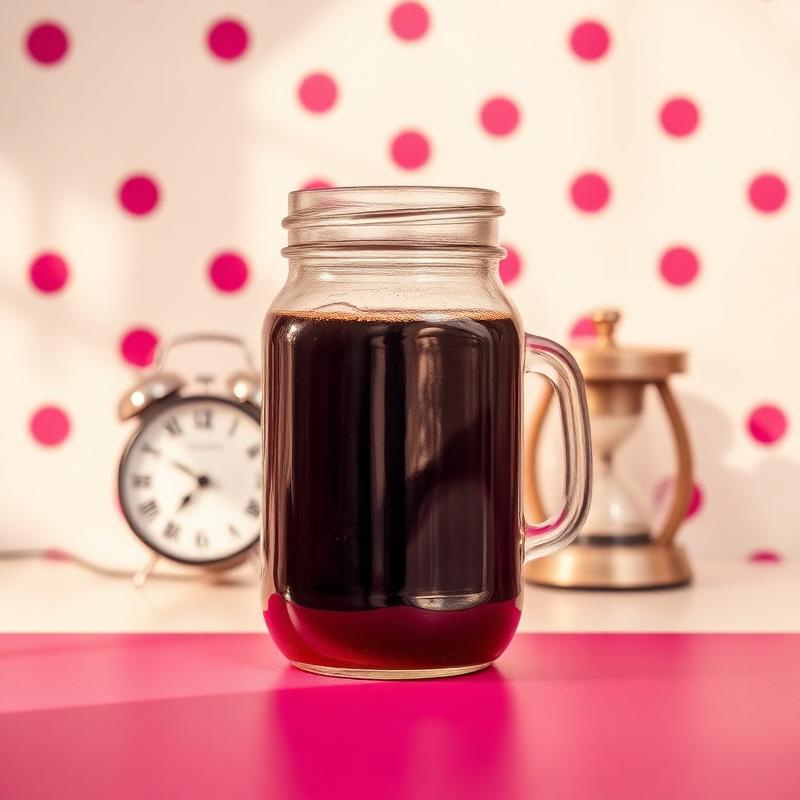
  3. Sealed glass jar of dark cold brew steeping on a kitchen counter3

    Steep 16-18 hours

    Cover and leave it on the counter, or push to 24 hours in the fridge for a rounder, less bitter cup.

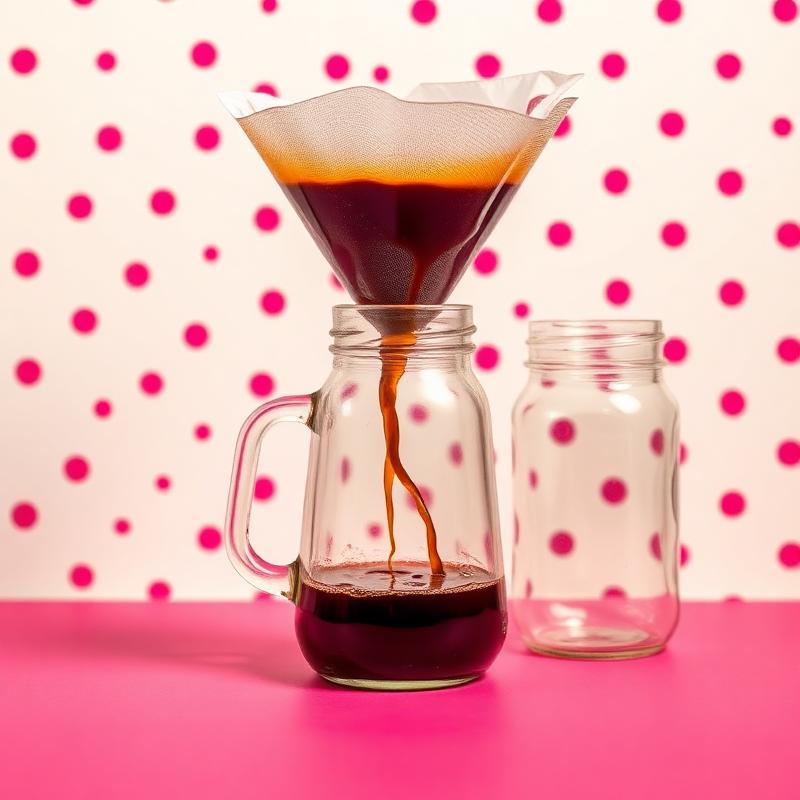
  4. Cold brew coffee strained through a paper filter into a glass carafe4

    Filter and chill

    Strain through a fine mesh, then a paper filter for a silkier body. Store sealed and it keeps for up to two weeks.

Cold brew ratios cheat sheet

Ratios are coffee to water by weight. Start here, then adjust by 10% in either direction to taste.

StyleRatioSteepServe
Cold brew concentrate1:516-18 hrsDilute 1:1 before drinking
Ready-to-drink cold brew1:818-20 hrsPour straight over ice
Cold brew latte base1:420-24 hrsCut with milk or oat milk
Japanese iced (flash) coffee1:153-4 minBrew hot onto ice

Cold brew vs iced coffee

Iced coffee is hot-brewed then chilled: bright, acidic, best drunk the same day. Cold brew never touches heat: rounder, sweeter, heavier bodied, and it keeps for two weeks. If your stomach dislikes coffee acidity, cold brew is the swap.

Caffeine, honestly

A 1:5 concentrate runs roughly 400-500 mg of caffeine per 8 oz. Diluted 1:1 you are near 200-240 mg — about two cups of drip. Nitro cold brew sits in the same range; the nitrogen only changes texture, not strength.

Coffee and cold brew FAQ

What is cold brew coffee?

Cold brew is coffee steeped in cool or room-temperature water for 12 to 24 hours instead of being brewed with heat. The slow, low-temperature extraction pulls out sugars and caffeine while leaving behind many of the bitter acids that hot brewing releases, which is why cold brew tastes smooth, sweet and chocolatey.

Is cold brew stronger than regular coffee?

Cold brew concentrate is much stronger by volume, typically 2 to 3 times the caffeine of drip coffee before dilution. Most people cut it 1:1 with water or milk, which lands a finished cup around 150-240 mg of caffeine versus roughly 95-165 mg for drip.

What is the best coffee-to-water ratio for cold brew?

Use 1:5 by weight (200 g coffee to 1000 g water) for a concentrate you will dilute, or 1:8 for a ready-to-drink batch. Weigh your coffee if you can; volume scoops vary wildly with grind size.

How long should cold brew steep?

16 to 18 hours at room temperature or 20 to 24 hours in the fridge is the sweet spot. Under 12 hours tastes thin and sour; past 24 hours the brew turns woody and astringent.

Cold brew vs iced coffee: what's the difference?

Iced coffee is brewed hot and then chilled or poured over ice, so it keeps the bright acidity of hot coffee. Cold brew never meets heat, so it is lower in perceived acidity, heavier in body, and stays fresh in the fridge for up to two weeks.

What grind size and beans work best for cold brew?

Grind coarse, like raw sugar or French press grind, so the long steep does not over-extract. Medium and medium-dark roasts from Brazil, Colombia, Guatemala or Sumatra give the cocoa, caramel and nut notes most people want in cold brew.